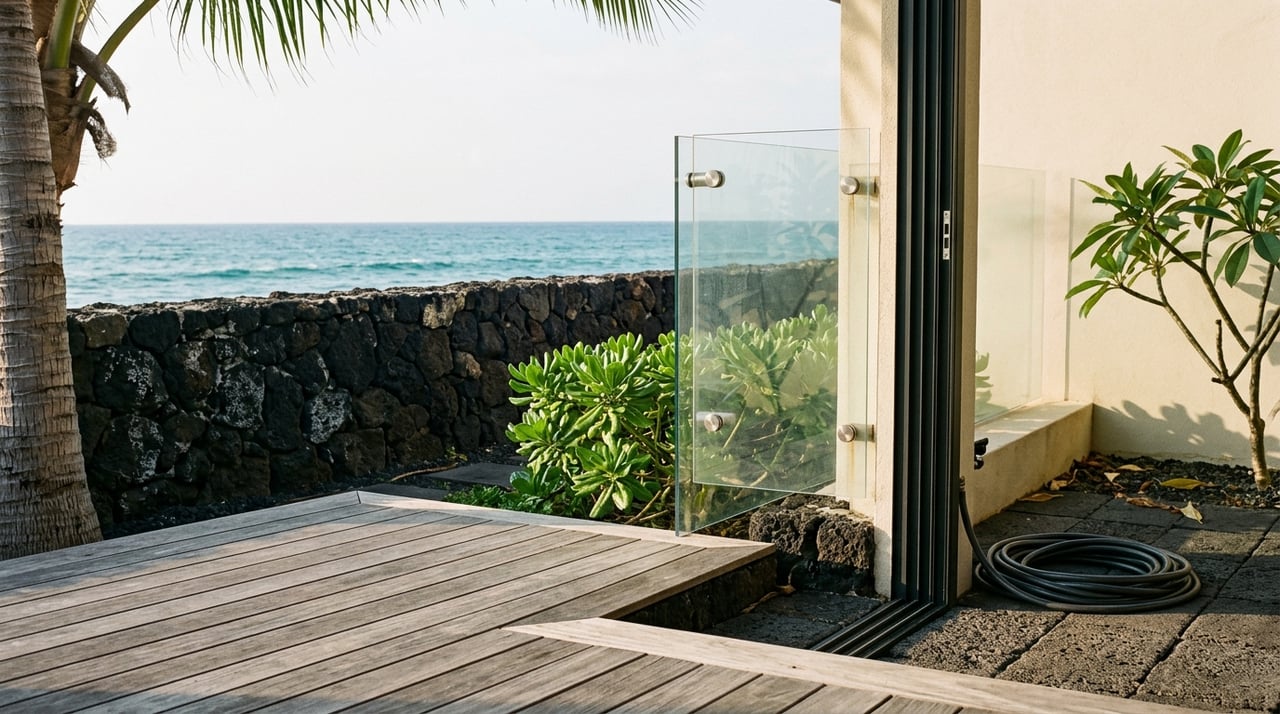
What does oceanfront living in Puako actually feel like once you get past the postcard view? If you are thinking about buying along this stretch of the Big Island, you are probably balancing beauty, privacy, access, and the real responsibilities that come with coastal ownership. This guide walks you through how Puako lives day to day, what makes it different on the Kohala Coast, and what to look at closely before you buy. Let’s dive in.
Why Puako Feels Different
Puako is not a dense resort area. In Hawaiʻi County’s community plan, it is described as a historically small fishing village that remains a low-density oceanfront settlement, with mostly single-family homes along both sides of Puakō Beach Drive.
That matters if you want a residential setting instead of a master-planned resort feel. Puako is tied to the larger Kohala Coast, but the core experience is quieter, more established, and more neighborhood-oriented.
The community plan also points to longtime local landmarks that shape the area’s identity. The Puakō Store serves as a meeting place, Hokuloa Church has been a social anchor since 1858, and the Puakō petroglyph field, offshore reef, and dry kiawe forest all add to the setting.
Oceanfront Living Means Daily Shore Access
One of Puako’s biggest draws is how directly it connects you to the shoreline. Hawaiʻi County’s South Kohala shoreline access guide lists twelve public access points along Puako Beach Drive.
Those accessways support a range of activities, including hiking, swimming, kayaking, surfing, and fishing where allowed. At the same time, the county warns that some shoreline areas include rocks, slippery surfaces, strong currents, and higher risk during high surf.
If you picture morning shoreline walks or easy water time, Puako can absolutely deliver that. You just want to understand that the coast here is active and natural, not curated like a resort beach.
Public Shoreline Rights Matter
A common question with oceanfront property is whether the shoreline feels private. In Hawaiʻi, DLNR states that shoreline transit seaward of the shoreline is a public right, and access corridors cannot be blocked by vegetation or other barriers.
For you as a buyer, that is important context. You can own an oceanfront home, but the shoreline itself operates within Hawaiʻi’s public access framework.
That balance is part of what makes buying in Puako different from buying inland. A knowledgeable local real estate team can help you understand where private property ends, where public rights begin, and how that may affect your use of the lot.
Puako Is Quiet, But Not Isolated
Puako often appeals to buyers who want a peaceful coastal setting without feeling cut off. The area connects into the broader Kohala Coast shoreline network, with access tied to places like Hapuna Beach State Recreation Area, Waialea Bay, Holoholokai, Mauna Lani Resort, Waikoloa Beach Resort, and the Mauna Kea area.
That gives you a useful blend of experiences. You can enjoy a low-density residential village while still being part of a larger coastline known for beaches, recreation, and resort amenities nearby.
The county plan also notes that working residents commonly commute to Waimea or South Kohala resorts. So while Puako feels tucked away, it still sits within the daily rhythm of the wider region.
Water Use Around Puako
If being near the water is your priority, Puako offers a lot of day-to-day access. It is also a place where you want to know the rules before you assume every activity works the same way everywhere.
DLNR classifies Puakō Bay and Puakō Reef as a fisheries management area. Most nets are prohibited other than thrownets, and fish feeding is prohibited.
Nearby Waialea Bay, reached from Puako Beach Drive, is known for marine life diversity and is popular for snorkeling and SCUBA. DLNR also notes that the beach can erode during winter surf and does not have lifeguards or facilities.
If boating is part of your plan, verify access before relying on it. DLNR’s current page says the Puako Ramp is closed until further notice because of storm damage.
The Ala Kahakai Connection
Puako also links into the Ala Kahakai coastal trail system. According to DLNR, this trail runs through both public and private lands and connects to beaches, resorts, and trail access points across the coast.
For Puako specifically, that includes connection to the Malama Trail leading to the Puako petroglyph field near Holoholokai. It is a meaningful feature if you value shoreline walking, cultural landscape, and a stronger sense of place beyond your lot line.
It is also worth knowing that DLNR says much of the trail receives only limited maintenance, and some short sections have been eroded by ocean waves. In other words, this is a real coastal trail system, not a polished boardwalk.
What Homes Are Typically Like
Puako’s housing pattern is one reason buyers stay interested in it. The county describes the area as mostly single-family homes along Puakō Beach Drive, with a resident base made up largely of retirees and second-home owners.
That tells you a lot about the likely inventory. If you are searching in Puako, you are generally looking at standalone homes in a mature oceanfront setting rather than a high-density condo environment.
For buyers coming from the mainland or comparing neighborhoods along the Kohala Coast, this can make Puako feel more personal and less uniform. It also means each property may need to be evaluated more individually for condition, shoreline position, and long-term maintenance needs.
Coastal Ownership Comes With Extra Due Diligence
The beauty of oceanfront ownership in Puako comes with more moving parts than many buyers expect. DLNR says the certified shoreline helps define setbacks and Special Management Area jurisdiction, and the state manages beaches, dunes, and rocky shorelines seaward of county jurisdiction.
In practical terms, if you want to make improvements near the water, shoreline setbacks, access rights, and coastal permits can become part of the conversation. These are not details to leave until late in escrow.
This is where local guidance matters. A buyer who understands the lot, shoreline conditions, and permitting framework early is usually in a stronger position to make a smart decision.
Erosion Is Part Of The Reality
Oceanfront buyers sometimes think of the shoreline as a fixed feature. In Hawaiʻi, DLNR says 70% of beaches are experiencing coastal erosion, and it emphasizes that beaches and dunes act as natural buffers against erosion and coastal flooding.
For you, the key takeaway is simple. The shoreline should be treated as dynamic, not permanent in the exact form you see on showing day.
That does not mean oceanfront ownership is a bad idea. It means the right property should be evaluated with long-term resilience in mind, not just view and access.
Salt Air Changes Maintenance
Homes near the ocean usually need more attention, and Puako is no exception. University of Hawaiʻi homeowner guidance notes that salt air is corrosive and that marine exposure creates ongoing maintenance issues.
That often means you should expect more frequent attention to exterior paint, metal hardware, windows, decks, and roof details than you might with an inland property. The same guidance recommends routine exterior painting about every five years, regular termite control, and wind-resistance details like hurricane clips and continuous load-path connections.
For second-home owners or remote buyers, this is especially important. A beautiful oceanfront property can perform very differently over time depending on materials, upkeep, and how closely maintenance has been managed.
Wastewater And Drainage Need Attention
In low-lying coastal communities, wastewater and drainage deserve a close look. Hawaiʻi County says it is preparing a Regional Wastewater Master Plan for Puako and other South Kohala communities, and the project area includes about 4,500 cesspools.
Hawaiʻi Sea Grant notes that cesspools can contaminate groundwater and ocean water, and that flooding and sea-level rise can increase the chance of leakage. For a buyer in Puako, that makes wastewater status a meaningful part of due diligence.
When you evaluate a property, it is wise to ask early about the wastewater system in place and any related upgrade considerations. This is not just a technical issue. It can affect cost, planning, and long-term ownership comfort.
Emergency Access And Risk Planning
Owning in Puako also means understanding the area’s broader risk profile. The South Kohala community plan identifies Puako as vulnerable to coastal flooding, tsunami, wildfire, and limited evacuation routes.
The same plan specifically describes one paved access road, along with a proposed southern evacuation route at Paniau. That kind of access pattern matters whether you plan to live in the home full time, seasonally, or as a second residence.
Before you buy, it helps to think beyond the property lines. Emergency access, insurance planning, and overall resilience should be part of how you evaluate any oceanfront purchase.
What To Review Before You Buy
If you are serious about living oceanfront in Puako, focus your due diligence on the issues that shape ownership over time.
- Shoreline setback position
- Public shoreline access patterns
- Flood and coastal exposure
- Wastewater or cesspool status
- Exterior materials and corrosion risk
- Roof, windows, decks, and hardware condition
- Emergency access and evacuation logistics
- Any future improvement plans near the shoreline
A property can be stunning and still require careful review. The goal is to match the home not only to your lifestyle, but also to your comfort level with coastal ownership realities.
Why Local Guidance Matters In Puako
Puako is the kind of market where small details can have a big impact. Two homes on the same road can offer very different ownership experiences based on shoreline position, maintenance history, access, and infrastructure.
That is why buyers often benefit from practical local insight, especially if you are purchasing from the mainland or comparing Puako with other Kohala Coast options. You want more than a tour of the view. You want honest guidance about how the property may live, age, and perform over time.
If you are exploring oceanfront homes, second homes, or investment-minded ownership on the Big Island, working with a team that understands West Hawaii’s coastal markets can help you evaluate the opportunity with clear eyes. When you are ready to talk through Puako and the wider Kohala Coast, connect with Aloha Kona Realty.
FAQs
What is Puako like compared with Kohala Coast resort areas?
- Puako is described by Hawaiʻi County as a low-density oceanfront settlement with mostly single-family homes, rather than a dense resort node.
How many public shoreline access points are in Puako?
- Hawaiʻi County’s South Kohala shoreline access guide lists twelve public access points along Puako Beach Drive.
Is the shoreline in front of a Puako oceanfront home private?
- No. DLNR says shoreline transit seaward of the shoreline is a public right in Hawaiʻi.
Can you fish anywhere along Puako shoreline waters?
- No. DLNR manages Puakō Bay and Puakō Reef as a fisheries management area with specific gear restrictions, and fish feeding is prohibited.
Is the Puako boat ramp open right now?
- DLNR’s current ramp page lists the Puako Ramp as closed until further notice because of storm damage, so you should verify access before making plans.
What type of homes are most common in Puako?
- The county plan describes Puako as mostly single-family homes along Puakō Beach Drive, with many retirees and second-home owners in the area.
What should buyers inspect closely in a Puako oceanfront property?
- Buyers should review shoreline setbacks, flood and coastal exposure, wastewater or cesspool status, corrosion-prone materials, and emergency access planning.